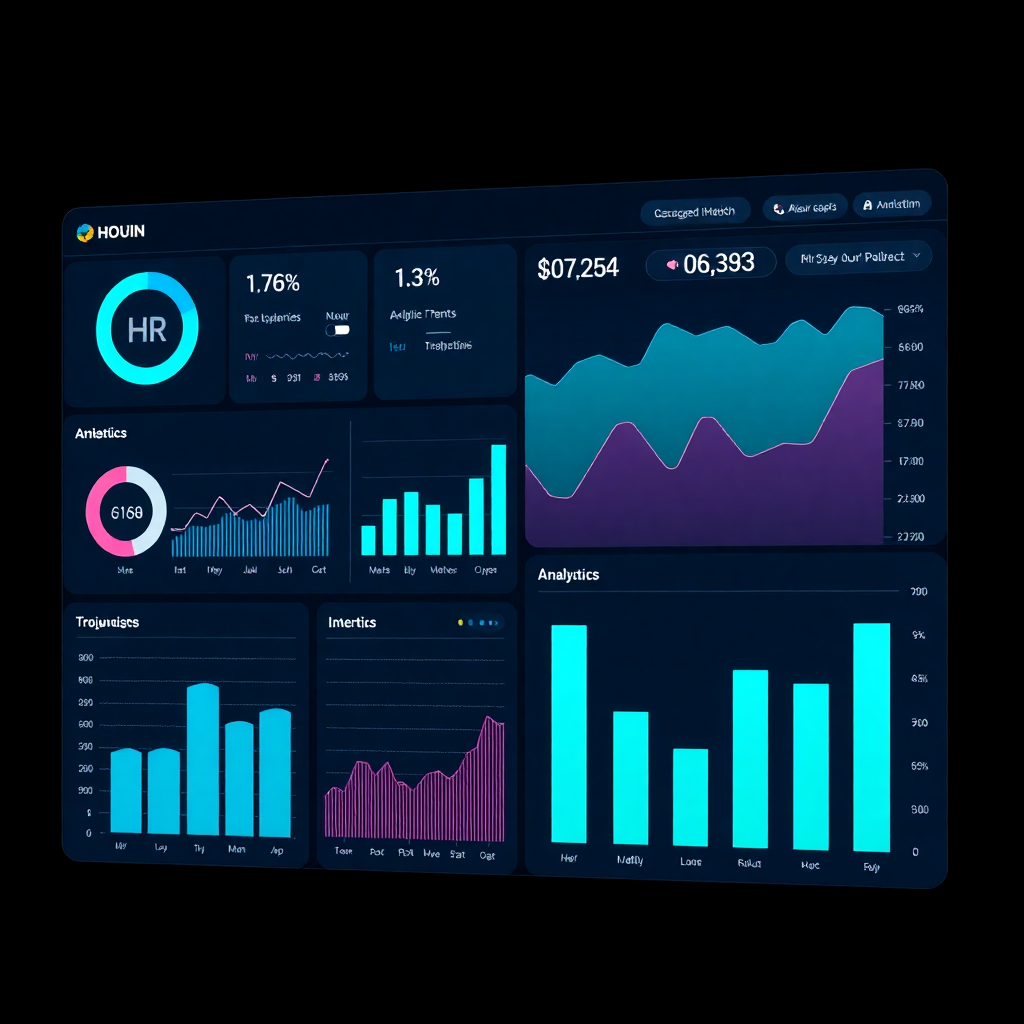
Do you often find yourself constantly checking how long your employees work, whether they arrive on time, or how efficiently they perform? You’re definitely not alone.
Understanding employee attendance is crucial for maintaining productivity, improving accountability, and ensuring smooth operations. A reliable attendance management process not only boosts efficiency but also gives HR complete visibility into workforce behavior.
Employee attendance management refers to the process of monitoring and recording employees’ working hours, presence, absences, punctuality, and time-off patterns.
Traditionally, this practice dates back to the industrial era when workers were paid based on the number of hours worked. Today, attendance management has evolved into a sophisticated, tech-driven process that ensures discipline, transparency, and consistent performance across the organization.
Elevate Workforce Management with Automated Attendance
Start Today with Peoplo’s Modern Attendance System
Why Do You Need Attendance Management?
Organizations today operate with diverse work models—remote, hybrid, gig-based, contract roles, and global teams. This variety makes manual attendance tracking inefficient and error-prone.
Blurb: Employee attendance directly impacts productivity—and consistent productivity gives companies a competitive advantage.
Key challenges today include:
- Flexible work models across multiple locations
- Distributed teams across geographies and time zones
- Absenteeism, time indiscipline & poor documentation
These challenges make it essential for businesses to adopt an automated attendance management system.
Blurb: Attendance management significantly influences profitability, efficiency, and organizational credibility.
Importance of Attendance Management
A strong attendance system helps streamline workflow, automate payroll, eliminate administrative errors, and improve internal communication.
Here’s how it helps:
- Workforce Planning: Managers gain insights into shift readiness and workload distribution.
- Operational Efficiency: Time-and-attendance data helps align team performance with business goals.
- Transparent Communication: Managers can conduct productive conversations around KRAs and KPIs.
- Compliance: Attendance data ensures adherence to labor regulations and working-hour standards.
- Employee Morale: Fair tracking encourages healthy competition and boosts engagement.
- Collaboration: T&E data supports cross-functional coordination and workflow planning.
- Cost Control: It helps reduce overtime waste, unnecessary replacements, and payroll leakage.
- Payroll Accuracy: Precise time records ensure fair and accurate payouts.
What Is an Attendance Management System?
An attendance management system is a software platform that records work hours, breaks, absenteeism, overtime, clock-ins and clock-outs, and leave usage. Peoplo brings all of this into a single unified dashboard for HR and managers.
Types of Attendance Management Systems
- Manual Registers: Traditional logbooks or timecards.
- Biometric Systems: Fingerprint, face recognition, retina scan.
- Card Swipe Machines: RFID or magnetic access cards.
- Timesheets: Digital or spreadsheet-based time logs.
- Web Login Systems: Employees clock in through a browser.
- Mobile Apps: Ideal for field staff or on-the-go teams.
- GPS / Geo-fencing: Tracks real-time employee locations.
- Calendar Integrations: Syncs working hours with project schedules.
Benefits of Using an Attendance Management System
Employee absenteeism is a costly issue. Studies show productivity drops by 22–36% when employees take unplanned absences.
A robust attendance system increases:
- Productivity
- Operational efficiency
- Profitability
- Accuracy of payroll
- Employee accountability
Tips for Choosing the Right Attendance Management System
- Ensure Data Accuracy: A good attendance system must capture data reliably.
- Enable Analytics: Equip managers to interpret insights and act quickly.
- Automate Processes: Reduce manual workload and human error.
- Allow Multi-Device Access: Mobile, tablet, and desktop compatibility is essential.
- Focus on UI/UX: User-friendly design encourages adoption.
- Customize to Business Needs: Tailor the system based on employee roles and work culture.
- Build Communication Tools: Automate notifications, reminders, and manager alerts.
- Consider Support & Cost: Ensure long-term reliability and ROI.
- Integrate with HRIS: Attendance should sync with payroll, performance, and leave modules.
Inline Styled Demo Table
| Aspect | Absence | Absenteeism |
|---|---|---|
| Definition | Planned, approved time off | Frequent, unjustified absence |
| Frequency | Occasional | Persistent |
| Reason | Valid explanation | No proper justification |
| Impact | Minimal disturbance | High disruption |
Conclusion
In today’s modern, outcome-driven work environment, attendance management is more than a compliance requirement—it’s a strategic necessity.
With platforms like Peoplo, businesses can automate attendance tracking, reduce time theft, ensure fair payroll, and significantly enhance workforce efficiency. When integrated with HR strategy, attendance management drives accountability, discipline, and a healthier work culture.
Adopt Peoplo today and transform the way your organization manages time and productivity.